
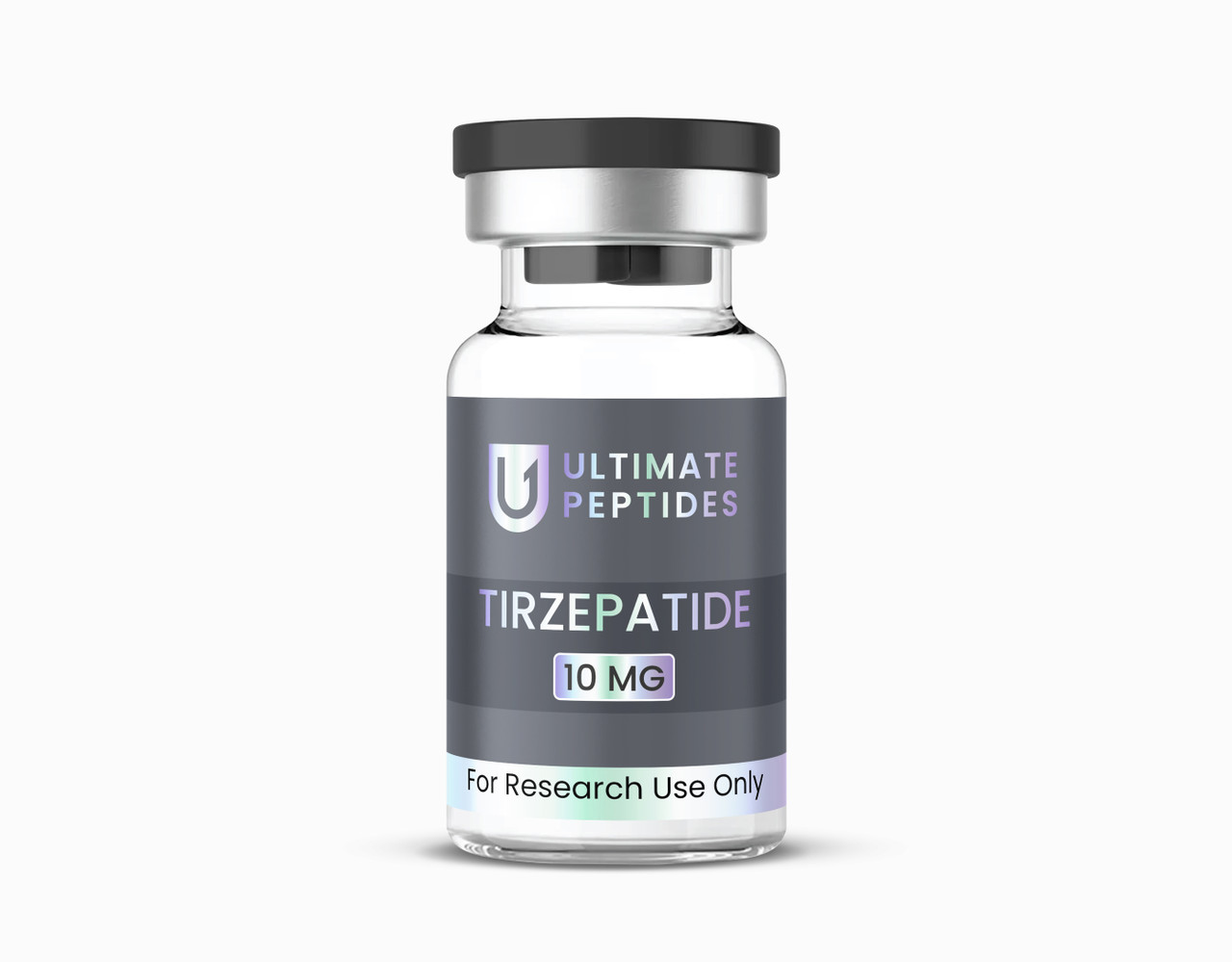

Characteristics
| Molecular Formula | C225H348N60O68 |
| CAS Number | 2023788-19-2 |
| Molar Mass | 5047.61 g/mol |
| Amino Acid Sequence | His-Gly-Glu-Gly-Thr-Phe-Thr-Ser-Asp-Val-Ser-Ser-Tyr-Leu-Glu-Gly-Gln-Ala-Ala-Lys-Glu-Phe-Ile-Ala-Trp-Leu-Val-Lys-Gly-Arg-Gly |
| Synonyms | LY3298176 |
| Solubility | Water-soluble |
| Organoleptic Profile | White to off-white powder |
| Composition | Lyophilized powder - requires reconstitution |
How Is GIP/GLP-1 Studied?
GIP/GLP-1 is a synthetic peptide analog that has been investigated in preclinical laboratory research for its interaction with key receptors involved in metabolic signaling pathways. Specifically, it targets the glucose-dependent insulinotropic polypeptide (GIP) receptor and the glucagon-like peptide-1 (GLP-1) receptor. These receptors are found in various mammalian tissues and play a role in cellular communication and metabolic function.
Research Context
Emerging clinical studies have evaluated the investigational use of GIP/GLP-1 in adults with type 2 diabetes and related metabolic conditions. Findings from these trials suggest potential effects on multiple health indicators:
- Glycemic Measures: GIP/GLP-1 has been linked to reductions in HbA1c and improvements in fasting and postprandial blood glucose levels compared with placebo or alternative therapies.
- Body Weight: Some studies have reported weight changes in participants with overweight or obesity, with outcomes varying by dose.
- Cardiovascular Indicators: Research has shown possible improvements in lipid markers such as triglycerides and LDL cholesterol, along with modest effects on blood pressure.
- Renal Markers: Early findings indicate potential influence on kidney function markers, including albuminuria, though long-term outcomes remain under study.
These results are derived from controlled research settings and may not apply to all populations.
Side Effects
Based on the available preclinical data, the most common side effects associated with GIP/GLP-1 treatment include:
- Gastrointestinal issues such as nausea, vomiting, or diarrhea
- Injection site reactions (pain, redness, or itching)
- Hypoglycemia (low blood sugar), especially when combined with insulin or sulfonylureas
- Increased heart rate in some individuals
- Rare allergic reactions
Note: The safety profile of Tirzepatide has not been fully established, and further clinical studies are needed to fully evaluate the potential for side effects and long-term safety in mammals.
Summary
GIP/GLP-1 is a synthetic peptide analog studied in preclinical models for its interaction with GIP and GLP-1 receptors, which are central to metabolic and hormonal signaling pathways. Laboratory research has examined its effects on glucose metabolism, insulin signaling, and endocrine regulation. These investigations are performed in non-human or in vitro settings and do not represent established safety or efficacy in humans. Ongoing research continues to evaluate its biological activity and potential clinical applications across metabolic and endocrine studies.
References
- Gentilella R, et al. Glucagon-like peptide-1 receptor agonists in type 2 diabetes treatment: are they all the same? Diabetes Metab Res Rev. 2019.
- Samms RJ, et al. How May GIP Enhance the Therapeutic Efficacy of GLP-1? Trends Endocrinol Metab. 2020.
- Coskun T, et al. LY3298176, a novel dual GIP and GLP-1 receptor agonist for the treatment of type 2 diabetes mellitus: From discovery to clinical proof of concept. Mol Metab. 2018.
- Frias JP, et al. Efficacy and safety of LY3298176, a novel dual GIP and GLP-1 receptor agonist, in patients with type 2 diabetes: a randomised, placebo-controlled phase 2 trial. Lancet. 2018.
- Frias JP, et al. Efficacy and tolerability of tirzepatide, a dual GIP and GLP-1 receptor agonist in patients with type 2 diabetes. Diabetes Obes Metab. 2020.
- Frias JP, et al. Tirzepatide versus Semaglutide Once Weekly in Patients with Type 2 Diabetes. N Engl J Med. 2021.
- Rosenstock J, et al. Efficacy and safety of a novel dual GIP and GLP-1 receptor agonist tirzepatide (SURPASS-1). Lancet. 2021.
- Ludvik B, et al. Once-weekly tirzepatide versus once-daily insulin degludec (SURPASS-3). Lancet. 2021.
- Del Prato S, et al. Tirzepatide versus insulin glargine in type 2 diabetes and increased cardiovascular risk (SURPASS-4). Lancet. 2021.
- Dahl D, et al. Effect of Subcutaneous Tirzepatide vs Placebo Added to Titrated Insulin Glargine on Glycemic Control (SURPASS-5). JAMA. 2022.
Resource
All products on this site are for research and development use only. Products are not for human consumption of any kind. The statements made on this website have not been evaluated by the US Food and Drug Administration. Neither the products described nor the company are intended to diagnose, treat, cure, or prevent any disease.
Research Peptides Supported by Verifiable Testing
Ultimate Peptides™ is more than just a U.S. supplier of research peptides. We are helping to power the next wave of peptide research, dedicated to providing peptides that support our clients' work.
Consistent Quality Standards
Our internal processes and meticulous sourcing of premium materials help every peptide we offer meet rigorous internal quality standards.
Independently Verified
Every product undergoes extensive testing, both in-house and through independent, third-party laboratories.
Fast Shipping & Support
We provide fast and reliable shipping, using established couriers and high-quality packaging materials to help ensure that your peptides arrive promptly and in optimal condition.